
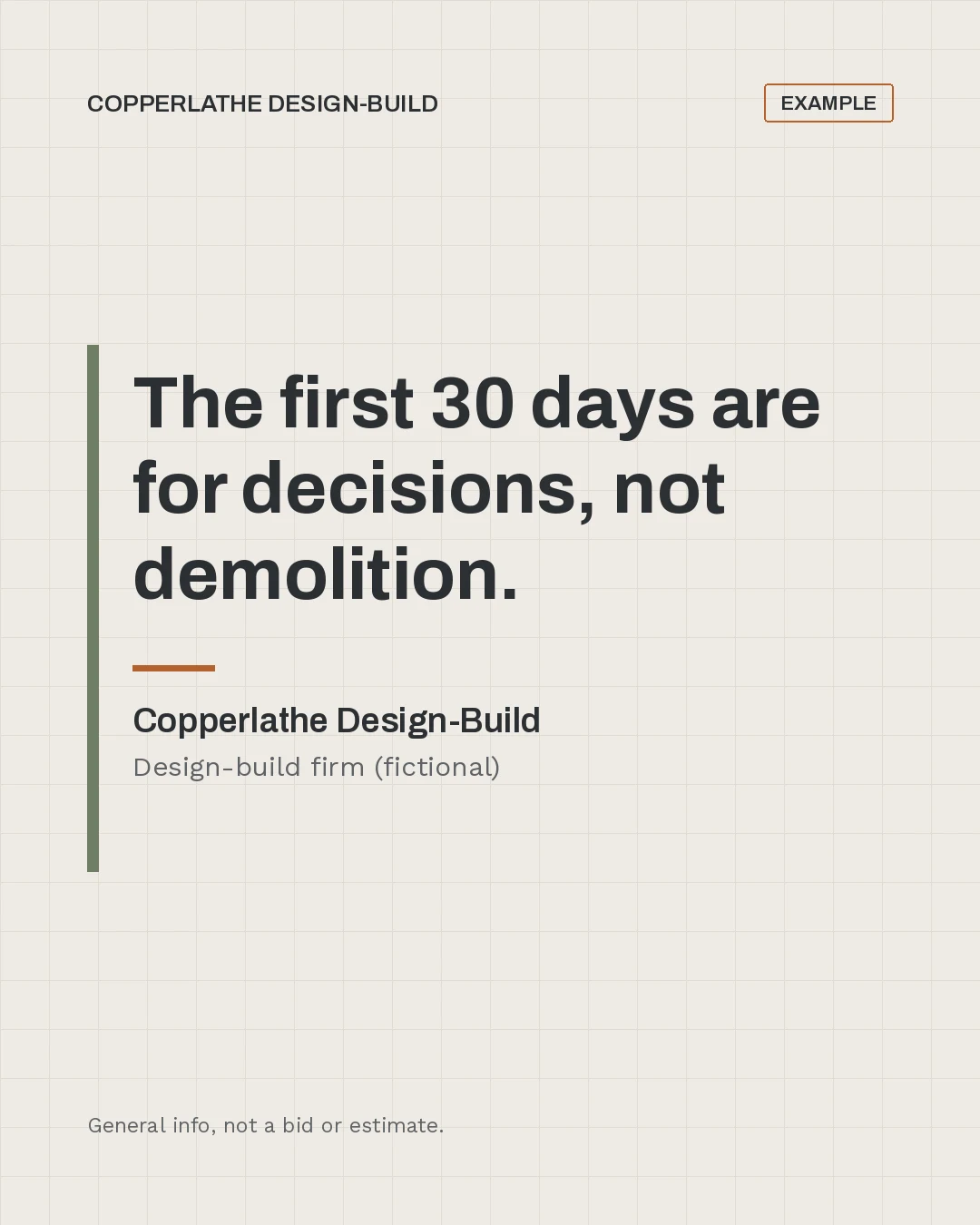
Planning a remodel? The first 30 days are for decisions, not demolition. Walk the house, measure, and talk through how you actually live.
Sample work — illustrative example, not a real client.
Design-build firm / SAMPLE WEEK
Example: Copperlathe Design-Build
Plain answers about remodeling, before the dust flies.
The source recording
A 10-minute guided phone interview with our project lead and designer about the first month of a design-build remodel: walking the house together, measuring what's really there, ranking the wish list, reviewing a first design with a budget range, starting selections early and asking about permits and approvals.
The first 30 days are for decisions, not demolition.
ILLUSTRATIVE QUOTE CARD / Copperlathe Design-Build
01 / NEWSLETTER
Thinking about a remodel? Here's what the first 30 days look like.
Subject: Thinking about a remodel? Here's what the first 30 days look like.
Most people picture a remodel starting with a sledgehammer. In a design-build project, the first month looks very different. It's mostly conversations, a tape measure and a lot of decisions. In this week's interview, our project lead and designer walked through what usually happens in those first 30 days, so you know what to expect before anyone touches a wall.
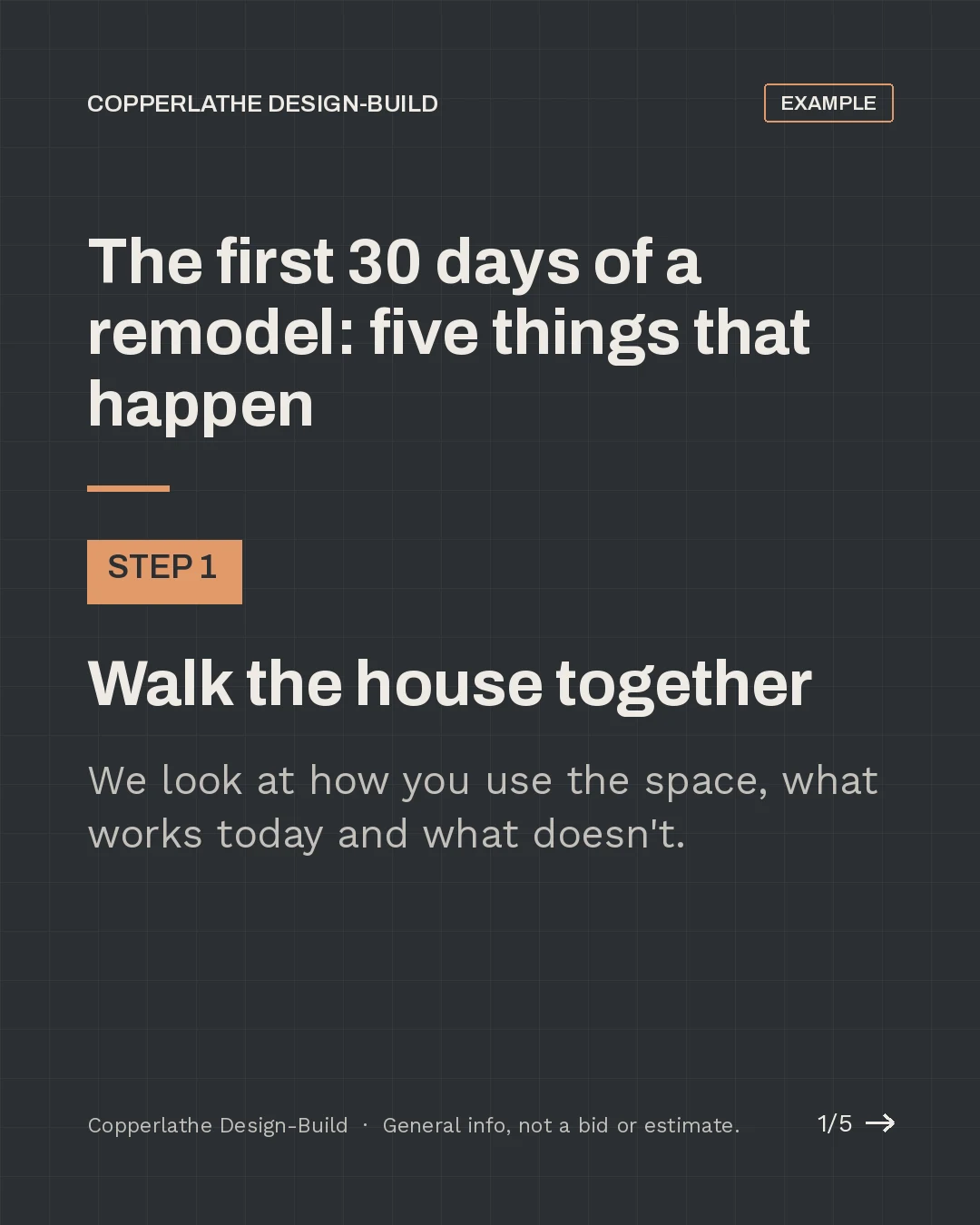
Walk the house together. The first meeting is about how you live, not just what you want to change. Where does the morning traffic jam happen? Which room never gets used? What do you love and want to keep? The more honest you are here, the better the plan will fit.
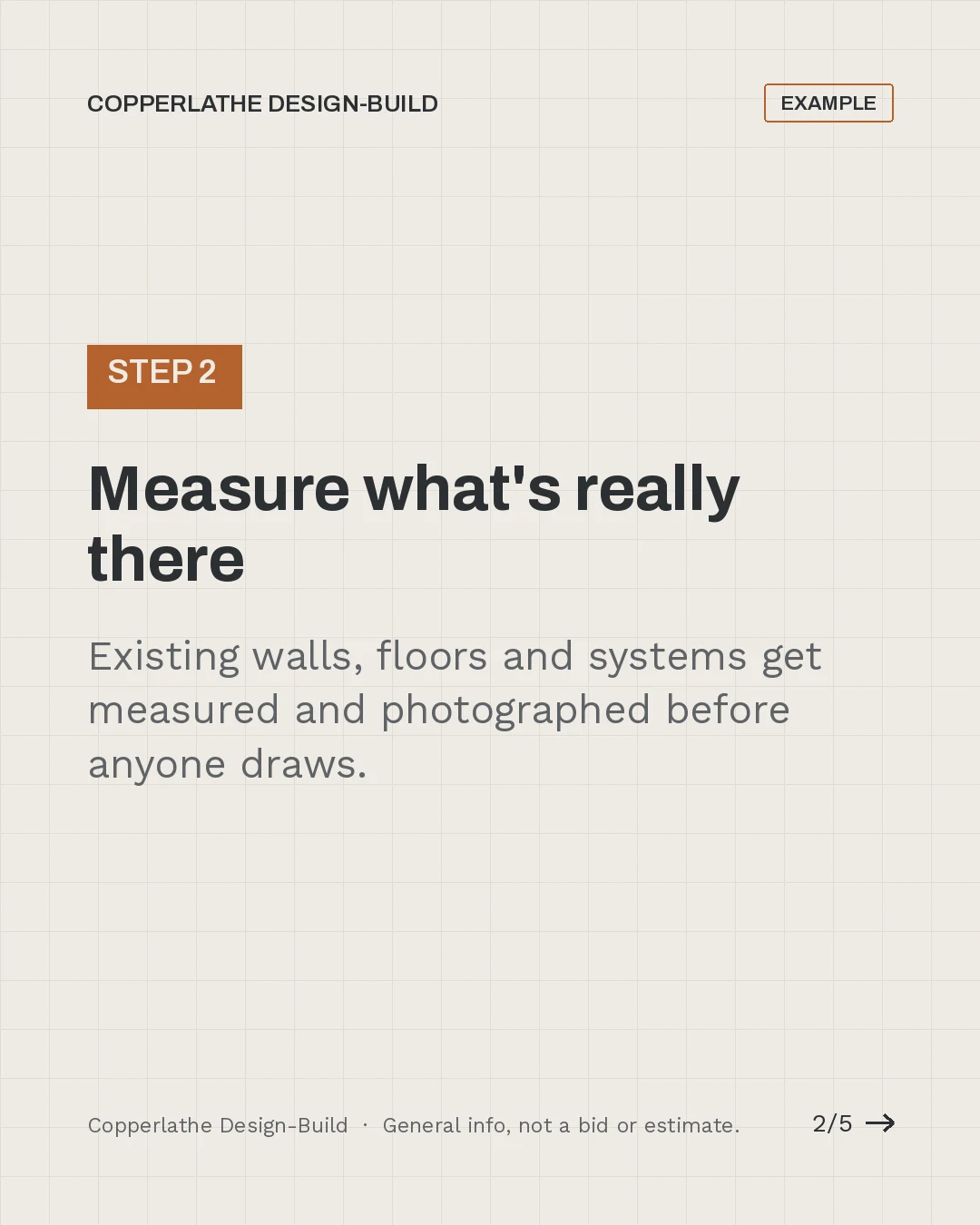
Measure what's really there. Before anyone draws, we measure and photograph the existing space: walls, floors, windows and whatever we can see of the plumbing, electrical and heating. Older homes often hold a few surprises, and finding them on paper is much easier than finding them halfway through a project.
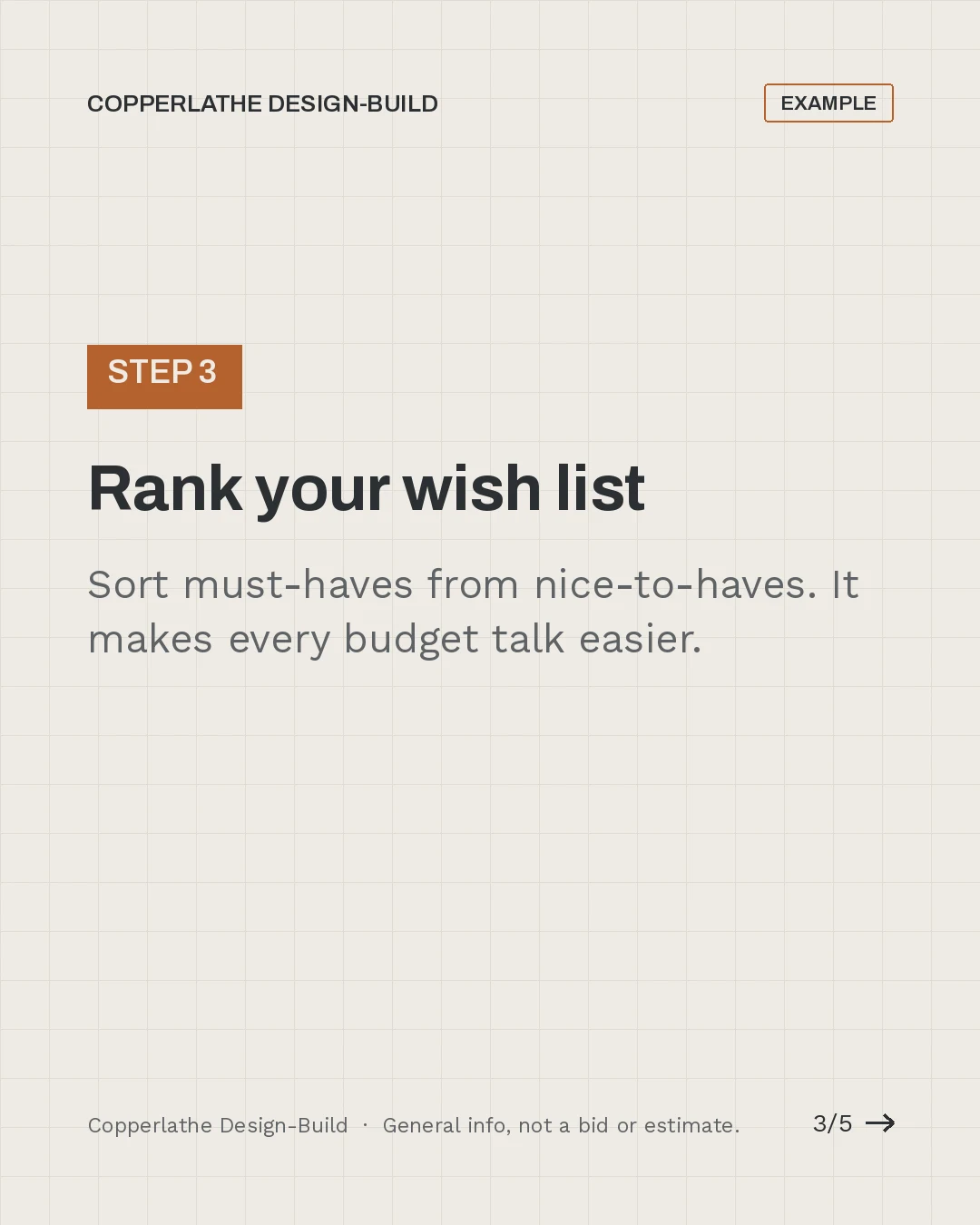
Rank your wish list. Sort everything into must-haves and nice-to-haves. It sounds simple, but a ranked list makes every budget conversation easier, because everyone knows what to protect first.
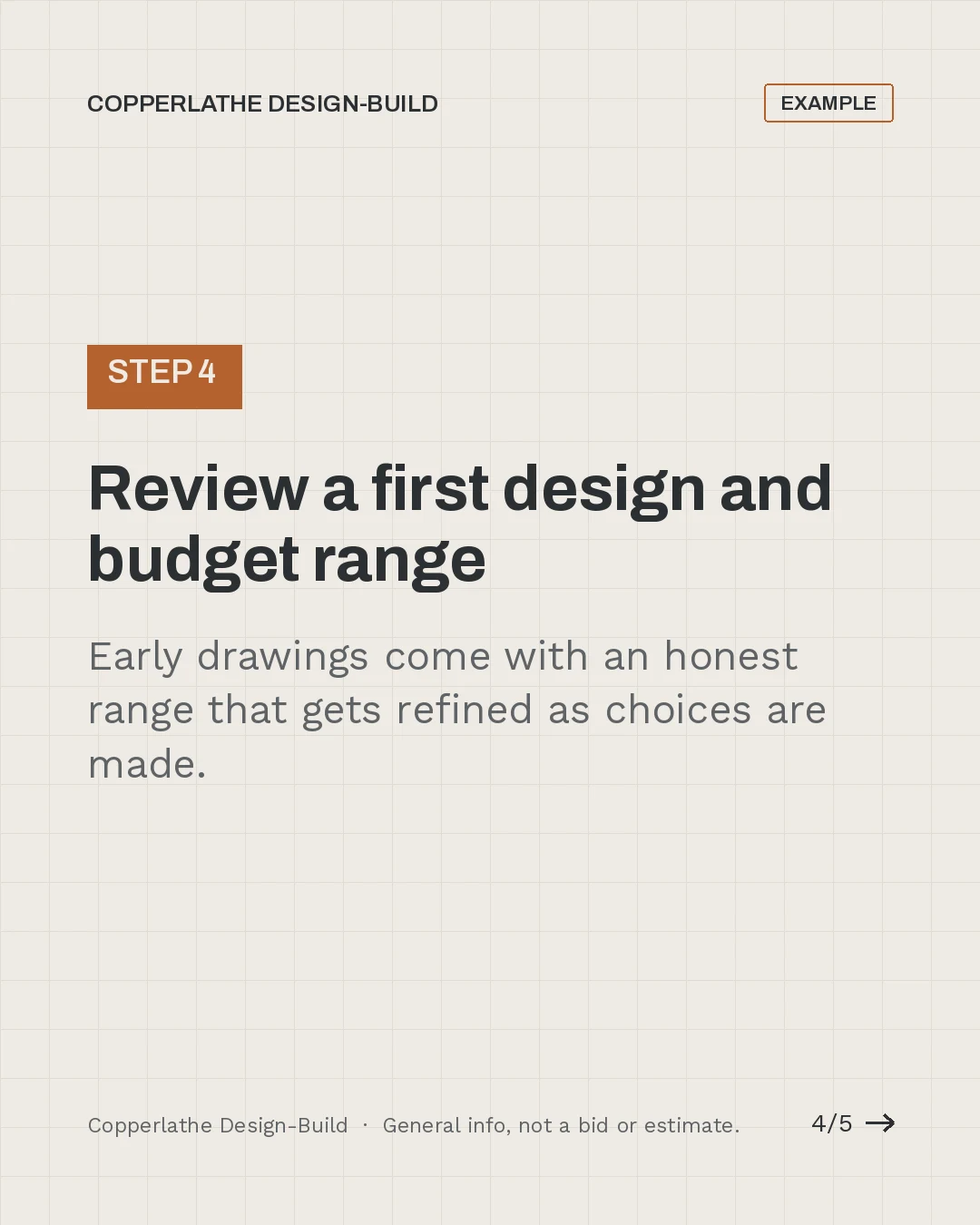
Review a first design and a budget range. Early drawings come with an honest range rather than a single number. As you make choices about layout, materials and finishes, that range narrows. It's normal for the first version to change. That's what this stage is for.
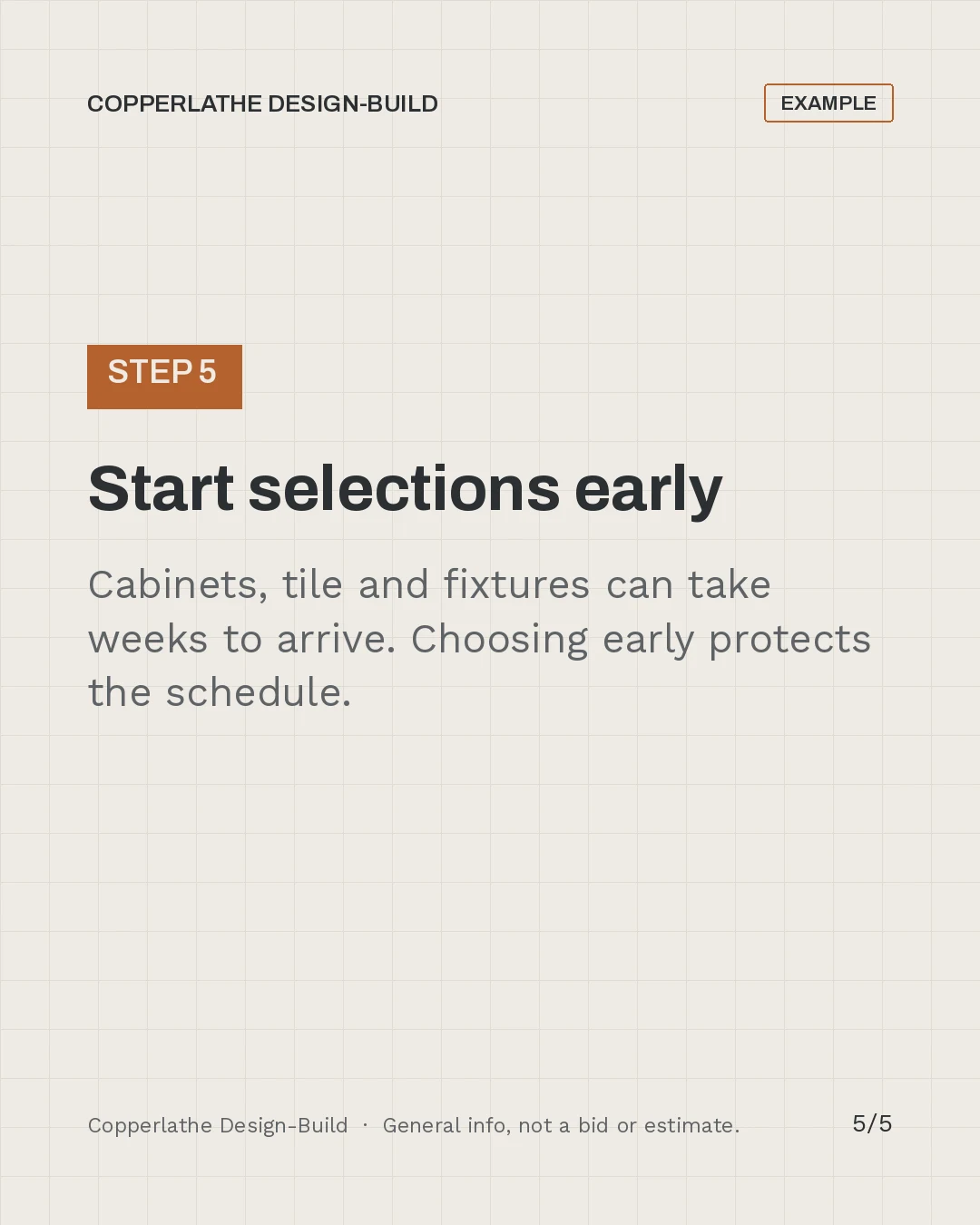
Start selections early. Cabinets, tile, windows and fixtures can take weeks to arrive. Choosing them during planning helps protect the schedule once work begins.
Ask about the paperwork. Planning is also when you'll learn which permits or approvals your project may need and who handles them. Every project and town is different, so ask your builder what applies to yours.
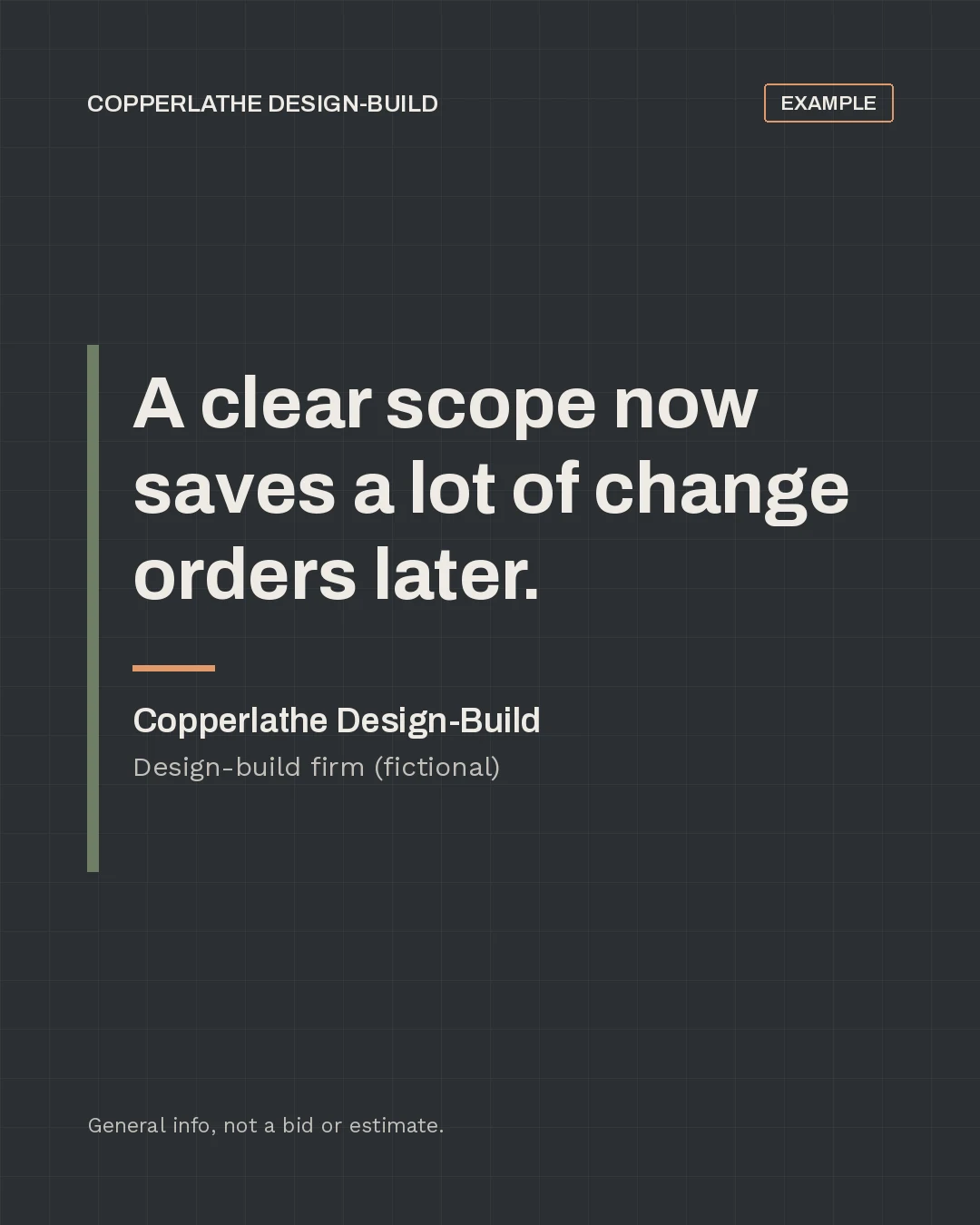
By the end of the month, the goal isn't a finished plan. It's a written scope you both understand: what's included, what isn't, and what still needs a decision. That clarity is what keeps the build itself calmer.
Try this week: stand in the room you'd like to change and write down three things that bug you about it. Bring that list to your first meeting.
This newsletter is general information, not a quote, a contract, or legal, engineering or code advice. Timelines, costs and permit requirements vary by project and location, so talk with your builder about your own home.
02 / BLOG EXCERPT
The first 30 days of a remodel: what actually happens
The first month of a design-build remodel is quiet on purpose. There's no demolition yet. Instead, it's the stretch where you and your builder agree on what you're building, why, and roughly what it will take.
It usually starts with a walk through the house and a long conversation about how you use it. Then comes the unglamorous but important part: measuring and photographing the existing space, so the design starts from what's really behind the drywall rather than from guesses. A ranked wish list of must-haves and nice-to-haves keeps the early budget conversation focused on what matters most to you.
From there, you'll see a first design along with a budget range, and you'll start choosing the items that take longest to arrive, like cabinets, tile and windows. It's also the right time to ask which permits or approvals your project may need and who takes care of them. By the end of the month, the goal isn't a finished plan. It's a shared, written picture of the project that you both understand.
03 / SOCIAL POSTS
Four ways to keep the conversation going.
04 / GRAPHICS (TEXT + GRAPHICS PLAN)
The same week, as branded graphics.
On the Text + Graphics plan, the same episode also becomes 3-5 graphics a week in your colors: quote cards, a carousel and a blog header.
Illustrative graphics for a fictional firm, built from the sample week above.
Illustrative sample for a fictional design-build firm. General information only, not a quote, contract, or legal, engineering or code advice, and not advertising for any real company. No prices, timelines or results are promised.